BPC-157: A synthetic peptide with striking tissue-healing effects in animals but essentially no controlled human evidence — FDA-flagged and banned in sport.
Body Protection Compound-157
Read the full breakdown →Latest in the report
Body Protection Compound-157
BPC-157
A synthetic peptide with striking tissue-healing effects in animals but essentially no controlled human evidence — FDA-flagged and banned in sport.
Read more →Thymosin Beta-4 fragment
TB-500
A synthetic fragment of the natural healing protein thymosin beta-4 — solid animal evidence, no controlled human data on the injected form, and a firm WADA ban.
Read more →60-second quiz
Which peptide fits your goal?
Four quick questions, then a plain-English, sourced match — no fluff.
Copper Tripeptide-1
GHK-Cu
A naturally occurring copper-binding peptide with the strongest human evidence of these three — but mostly for skin and wounds, not athletic tissue recovery.
Read more →Featured talks & podcasts
Independent third-party episodes worth your time on this topic. We don't produce or sponsor them.
 ▶
🎙 Huberman Lab
▶
🎙 Huberman LabHow Your Immune System Works & How to Improve It | Dr. Max Krummel
Listen · Aug 3, 2026 → ▶
🎙 The Peter Attia Drive
▶
🎙 The Peter Attia Drive#402 ‒ NMR blood analysis: how heart disease risk, insulin resistance, inflammation, and mortality risk can be assessed from a single blood sample | Jim Otvos, Ph.D.
Listen · Aug 2, 2026 →▶
🎙 Huberman LabYour Top Health Questions Answered
Listen · Jul 27, 2026 →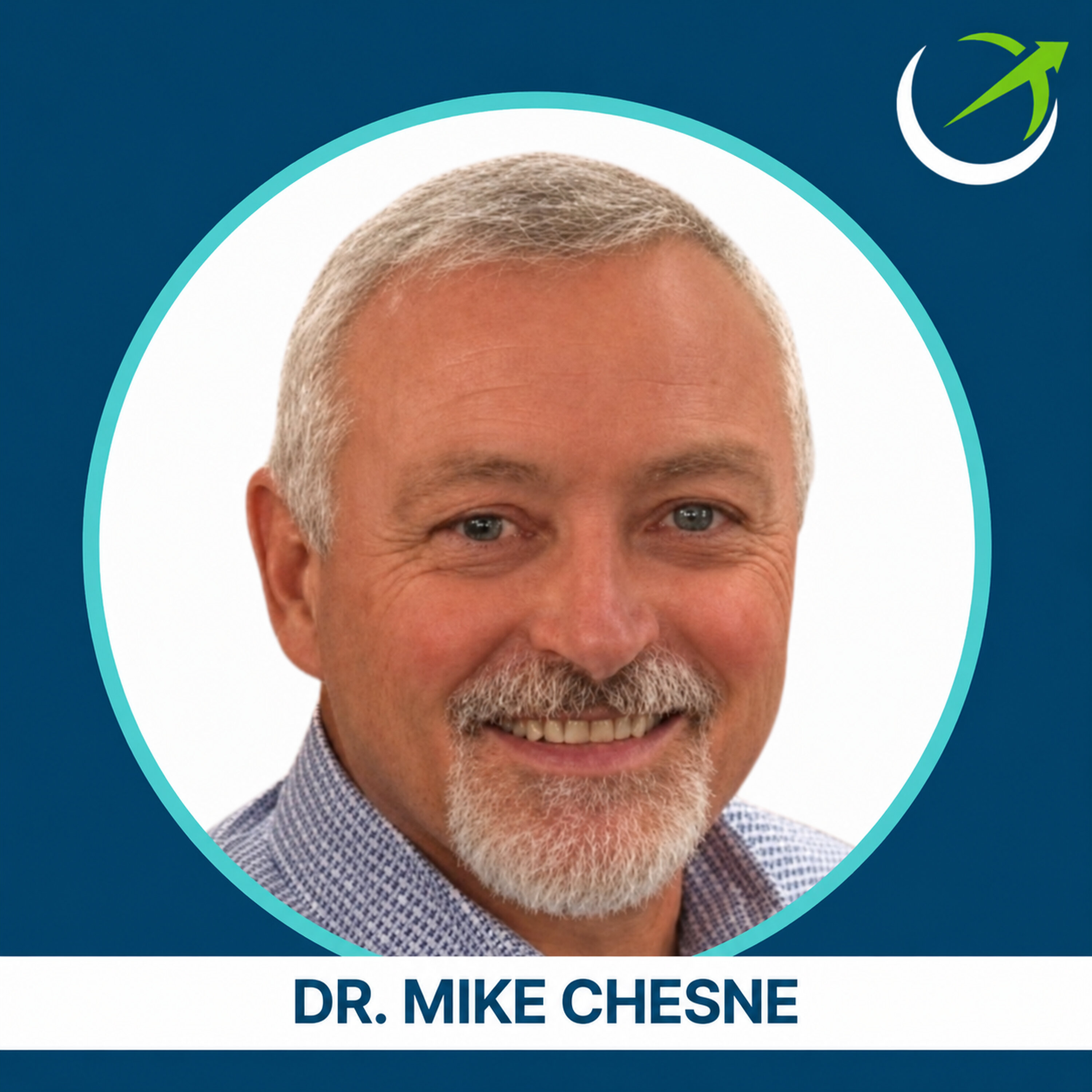 ▶
🎙 Boundless Life
▶
🎙 Boundless LifeThe Potent Brain & Body Ketone Fuel You’ve Probably Never Heard Of: The Science Of R3HBG With Tecton’s Dr. Mike Chesne
Listen · Jul 11, 2026 → ▶
🎙 Boundless Life
▶
🎙 Boundless LifeHow To Maintain Muscle On A GLP-1, Why Protein Stops Working As You Get Older, The Truth About Eating “Before Bedtime” & More! Solosode #502
Listen · Jul 9, 2026 →▶
🎙 The Peter Attia DriveBuilding strength and muscle mass: how to optimize training, nutrition, and more for longevity (AMA #71 rebroadcast)
Listen · Jul 5, 2026 →Quick reference
Peptides researchers study for recovery & repair
Peptides are naturally occurring chains of amino acids — signals that help promote, not replace, the body's own functions. Here's an honest map of which peptides researchers study for which goals, and where the science actually stands. We're a source of truth, not a seller.
Recovery is where peptide research runs hottest. Here's how the most-studied repair peptides map to common goals, with the honest status of each.
| Goal | Peptide(s) studied | What the research shows |
|---|---|---|
| Pain / soft-tissue injury | BPC-157 | One of the most-researched recovery peptides, with extensive work on tissue, tendon and gut repair. |
| Connective-tissue & systemic repair | TB-500 | A Thymosin β-4 fragment studied for tissue repair, flexibility and recovery. |
| Gut inflammation | KPV | An α-MSH fragment studied for calming inflammation in the gut. |
| Systemic inflammation | LL-37 | A natural antimicrobial peptide the body makes itself; studied for immune and inflammatory roles. |
| Immune resilience | Thymosin Alpha-1 | An immune-modulating peptide used clinically in a number of countries. |
Educational reference — what these peptides are studied for and where the science honestly stands. Not medical advice or a substitute for a qualified clinician's guidance. We're a source of truth, not a seller.
The deep dive
Recovery science: what helps tissue heal, and what's still a theory
Injured tissue heals on a biological timeline you can support but not shortcut. The recovery-peptide conversation is full of confident claims built on animal studies. Here's how to separate the mechanism from the proof.
How tissue actually repairs
Healing runs in overlapping phases — inflammation, proliferation, and remodeling — that take weeks to months depending on the tissue. Tendon and ligament are slow because they're poorly vascularized. Anything claiming to compress that timeline dramatically is making a claim the human evidence rarely supports.
Several recovery peptides are studied for their effects on angiogenesis (new blood-vessel formation) and cell migration — genuinely interesting mechanisms for tissue repair. Much of the most striking research so far is preclinical, with human studies still developing, so we read those early results as promising signals worth following.
What the strongest evidence still says
Progressive loading, adequate protein, and sleep remain the best-supported levers for soft-tissue recovery — sleep in particular is where a large share of repair signaling happens. Peptides work best alongside those fundamentals, supporting the body's own repair process rather than standing in for it.
Reading the peptide claims
For each recovery compound we separate three things: the proposed mechanism, the animal data, and the human data — because they're usually at very different levels of certainty. Where it's animal-only, we say so. That honesty is the point.
Educational summary of published, third-party research and handling literature. Not medical advice; not a claim of efficacy or safety for any use. We sell nothing and recommend no seller.
Stay current on the research
New, plain-language summaries as the literature develops. Educational only — no products, nothing for sale.